
A Guide on How to Prepare Your Construction Site for Winter
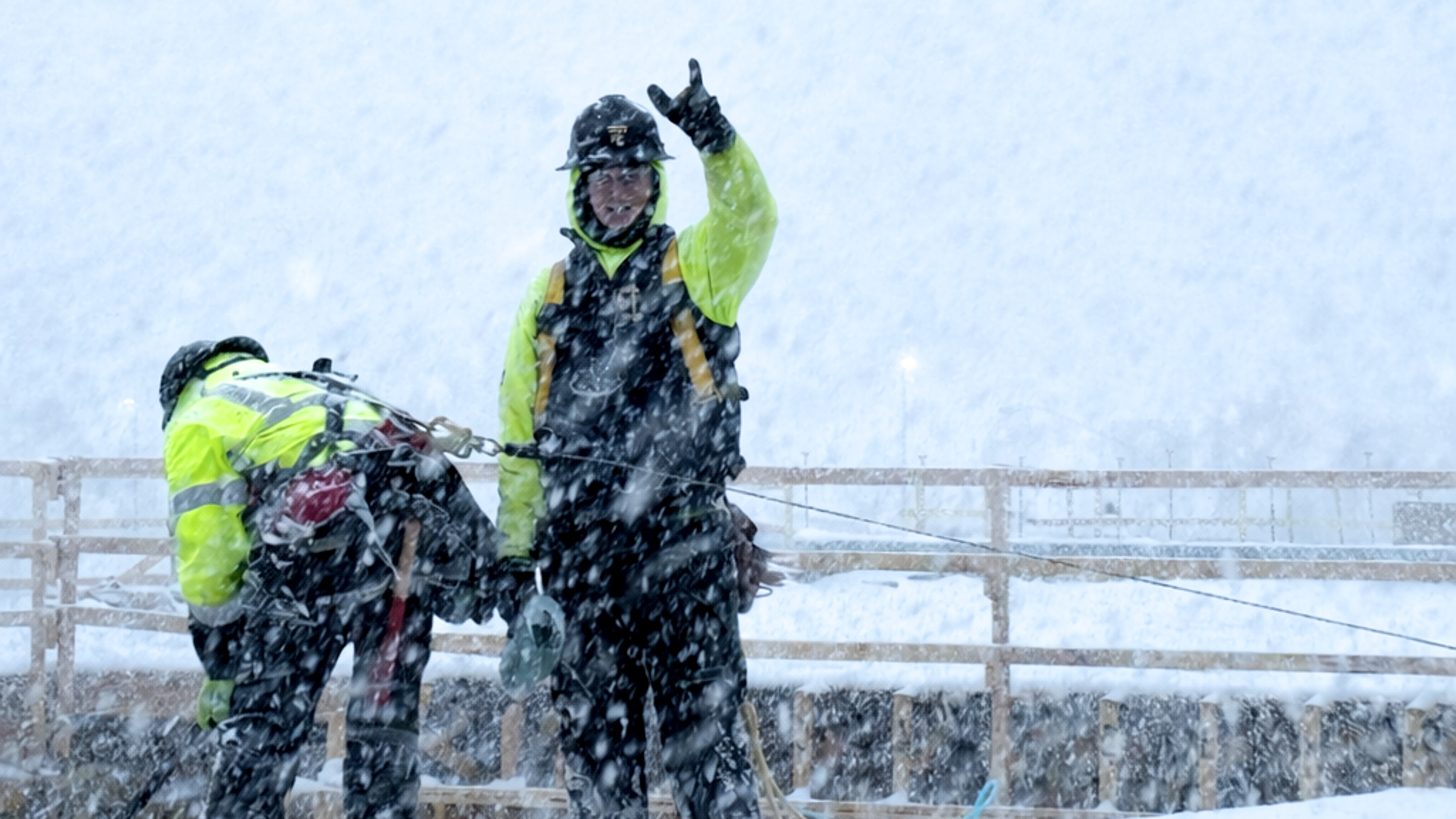
The winter season brings challenges to a job site that can be difficult to predict. Forecasts can quickly change, daylight becomes limited compared to the longer summer days, and materials may face a greater risk of weather-related damage.
TenM works all along the East Coast, including around our home base in Syracuse, New York, where winter weather is guaranteed to impact the area for months at a time. Construction teams planning projects may not always consider regions that experience higher snowfall or extreme weather conditions when bidding on their next job. A 30-minute drive can mean the difference between an inch and a foot of snow falling on top of your site.
Now is the time to prepare for factors that could mean the difference between completing your project on time and experiencing costly delays.
Forecast and Preparation
Where is your next job site? Is it close to a large body of water or at a higher elevation? Conditions like these affect how winter weather impacts a project. The Northeast sees fewer major weather events than some regions, but winter still brings snowstorms, extreme cold, and nor’easters
But we still need to build!
While we can’t predict every weather event months in advance, you can plan for the possibility of disruption. If your jobs are moving into December, January, or February, build flexibility into the schedule, arrange material deliveries as early as possible, and closely monitor the National Weather Service for important notifications. Timely updates can help adjust the project timeline and, most importantly, protect your crew.
Not everything can be predicted or prevented. Some days, the safest decision may be to pause work. Be prepared for full stoppages when conditions put workers at risk; completing a task on the job site is never worth compromising the safety of your crew.
Winter also brings fewer hours of daylight. Prioritize exterior work during daylight hours and shift interior work to early mornings or late afternoons where possible.
Deliveries and Materials
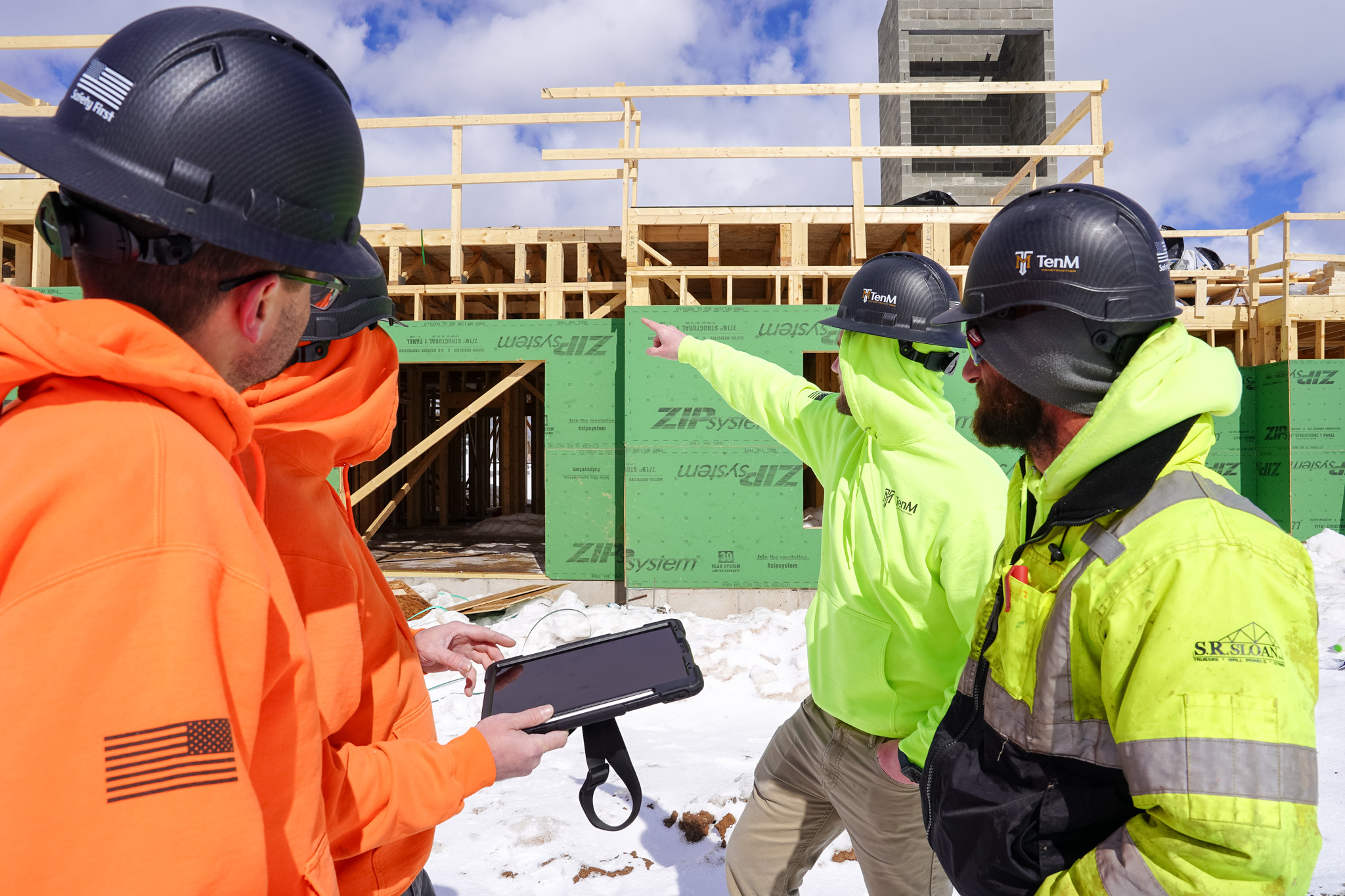
Timely material deliveries are essential for keeping a winter project on schedule. Stay in close contact with your project managers, transport teams, and vendors to make sure everyone is on the same page.
Is a strong storm going to impact the delivery of lumber to your framing team? Be proactive. Get on the phone and keep your crew up to date so they can pivot and be productive somewhere else on the site.
Snow and cold can lead to a quick deterioration of materials. Store lumber, concrete products, drywall, and any moisture-sensitive materials protected or elevated to prevent exposure to wet conditions. Check protection at the end of each day, and revisit it if snow or freezing conditions begin during work hours.
Your machinery and heavy equipment are some of your most important and expensive assets. Follow the manufacturer’s guidance for cold weather operation, maintenance, lubrication, and fuel. A strong and consistent checklist that can be referred to is vital for keeping your cornerstone machines moving.
Prioritizing the Crew
Your crew is one of your company's most valuable assets, especially those working outdoors in challenging conditions. In winter, workers may face freezing temperatures, snow, wind, and limited daylight. It’s your responsibility to keep them safe and educated on how they can prepare for the cold.
Prolonged cold exposure can put them at risk of hypothermia, cold stress, frostbite, and many other health problems. Make sure your team is wearing plenty of layers, along with waterproof and insulated clothing. Keep areas of the job site warm and dry with heaters or emergency blankets so they can take breaks in the warmth. If you're responsible for a job site, review this helpful information from Safety Evolution to better protect yourself and your crew.
Maintaining Safety
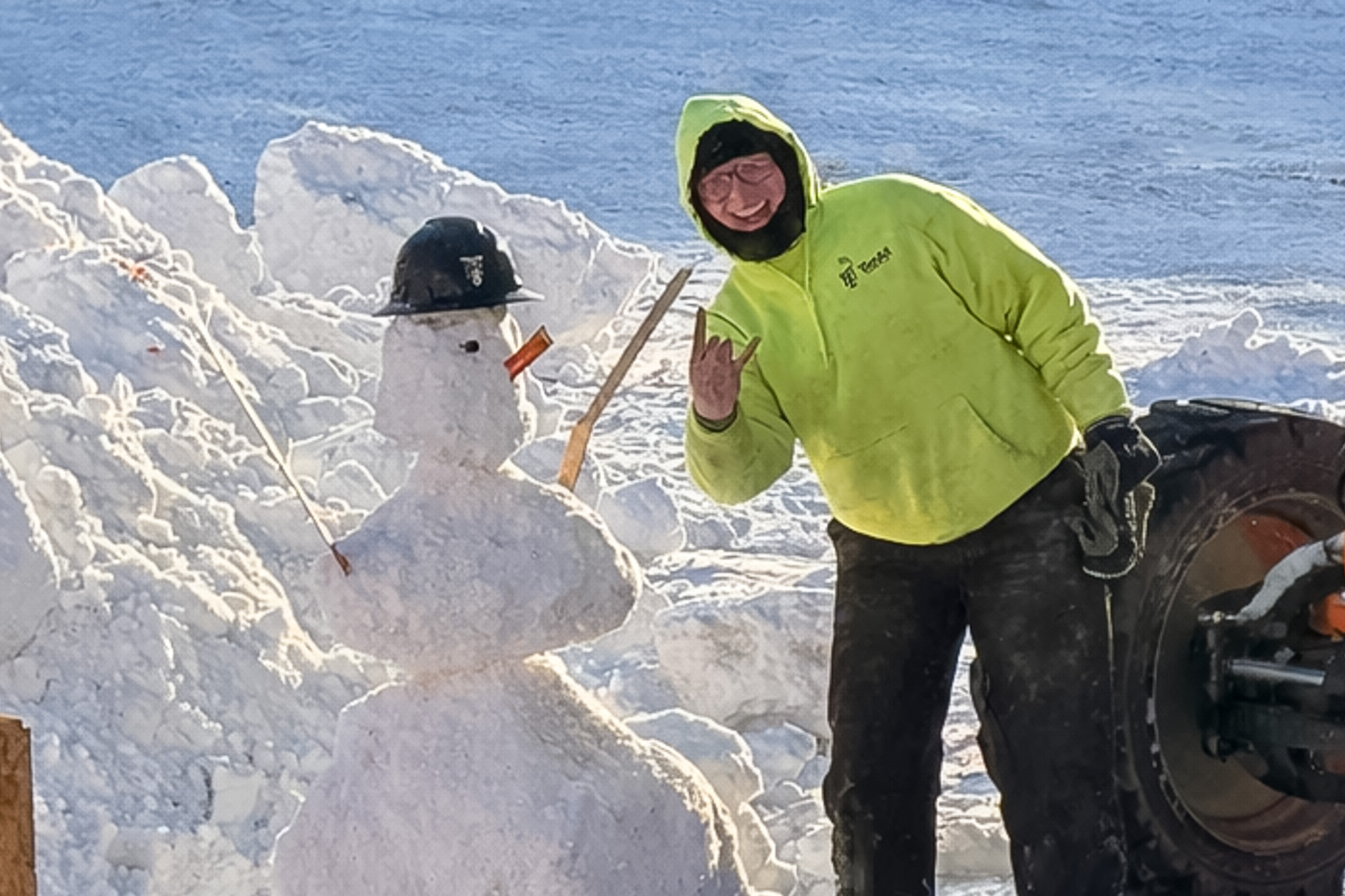
A few routine steps can make a winter job site safer and easier to navigate. Clear snow and ice from frequently used equipment and areas, apply the appropriate deicer to walkways, and mark any potential hazards that arise. Regularly monitoring job site conditions can help prevent accidents and delays. For additional winter safety guidance, refer to OSHA for regulations and tips that you may not be aware of when starting your next build in the winter.
Safe, well-maintained access helps the crew focus on their work and keep the project on track. Taking time to address winter hazards supports both an efficient build and a quality result for the client.