How to Stay on Schedule When Building
You want to get a developer or owner upset? Tell them there's a construction delay. They throw off timelines, rack up costs, and create stress no one signed up for. At TenM Construction, we’ve found a better way to build.
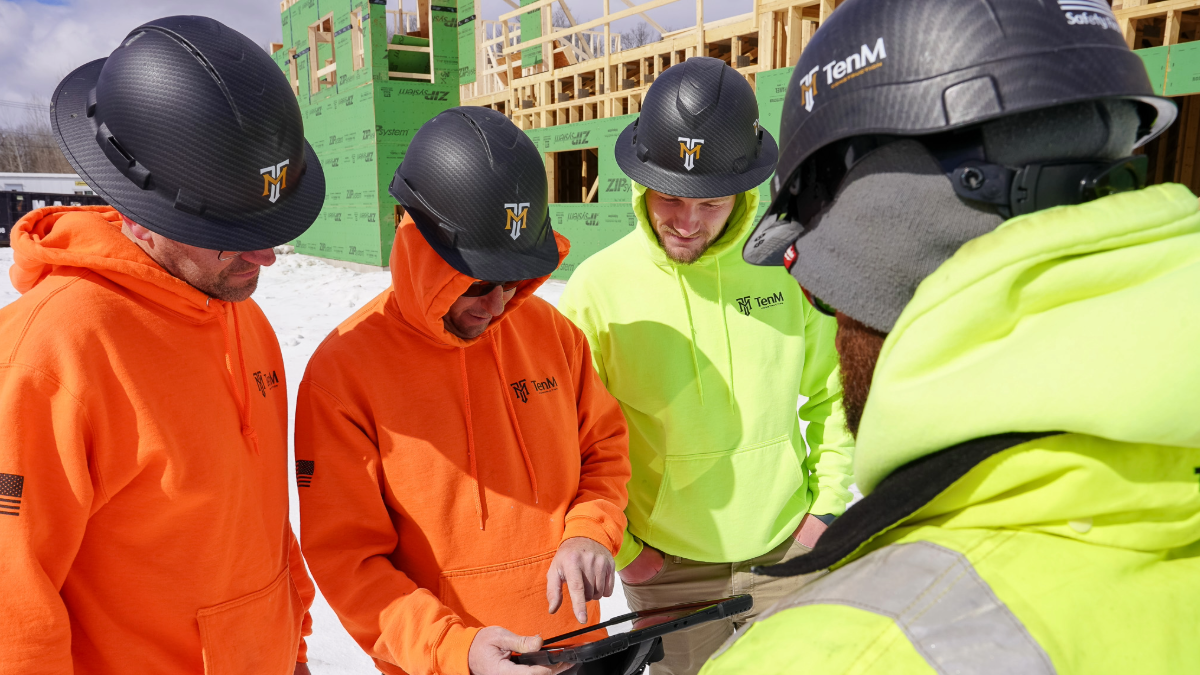
Our solution? Instead of juggling separate subcontractors for every phase, we operate as a multi-trade subcontractor. We’re talking framing, siding, finish carpentry - the whole package, delivered by people who actually talk to each other daily. That means smoother hand-offs, tighter schedules, and far fewer “uh-oh” moments.
Multi-trade Approach
Traditional construction relies on a long chain of independent subcontractors - each with their own priorities, timelines, and communication styles.
TenM flips that model. We’ve got the entire crew in-house, from estimators to field superintendents. That means better coordination, faster delivery, and no gaps in the game plan.
1. Smoother Scheduling with No Gaps Between Trades
When every trade is handled by a separate subcontractor, the schedule becomes a game of coordination roulette. One delay can cascade through the entire project. With multi-trade, that risk is minimized because the handoffs happen internally.
For example: When the framing crew finishes, the siding team is already scheduled, mobilized, and ready to go. There’s no waiting for calls, contracts, or coordination.
2. Problems Get Caught (and Solved) Early
Multi-trade teams look at the project as a whole, not just one scope. That means they can spot potential issues in design, layout, or material choices long before they become costly field problems.
For example: If a wall opening on the plans doesn’t line up with the rough framing specs, it gets addressed before construction starts not mid-build when it would cause a chain reaction of delays.
3. Tighter Quality Control = Less Rework
When scopes are spread across multiple subs, it’s easy for one team’s mistake to become the next team’s problem. Multi-trade eliminates that handoff friction by keeping everything in-house.
4. Faster Communication Means Faster Decisions
When every trade is under one roof, communication happens instantly. Questions get answered, issues get solved, and decisions get made without the typical back-and-forth that slows everything down.
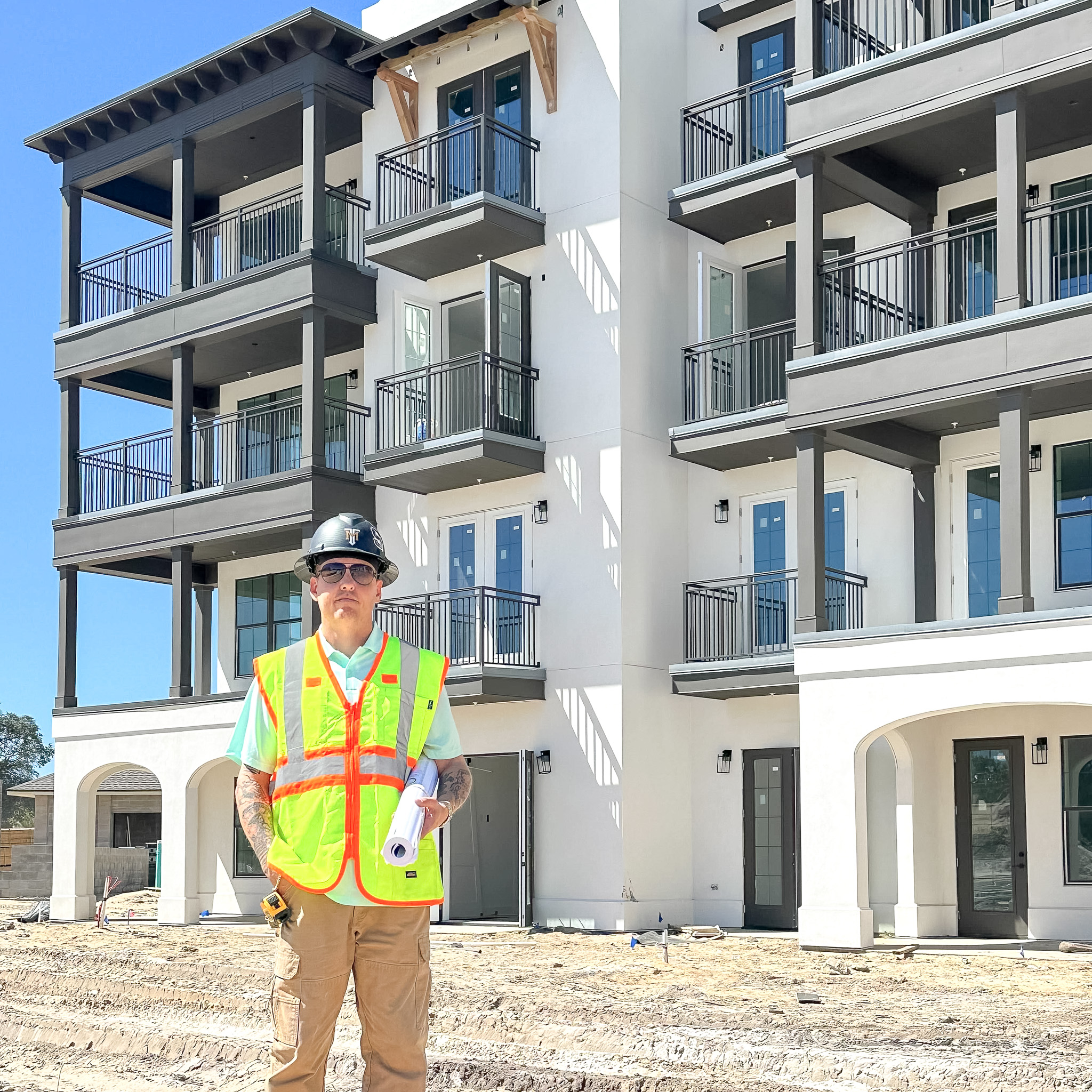
Check out the Trailwinds Retirement Community project that our team worked on and completed 30% ahead of schedule!
5. Shared Resources Keep Productivity High
Multi-trade crews share tools, equipment, and manpower across trades. That flexibility allows teams to shift quickly, avoid downtime, and respond to changes in real time.
For example: If siding is delayed by weather, workers can be reassigned to interior framing or insulation, keeping the job moving forward.
6. Full Accountability Eliminates Finger-Pointing
Delays often stem from misaligned scopes or unclear responsibilities. When one contractor handles everything, there’s no confusion about who’s in charge.
Time Is Money - And We Don’t Waste Either
Whether you’re a homeowner or a developer, you shouldn’t have to choose between quality and speed. The multi-trade model gives you both - fewer vendors, clearer timelines, and a faster path to project completion.